



Get free consultation
Fill out the form and we will contact you
Average income in the United States is one of the economic indicators that many Vietnamese people are interested in, especially those who plan to study, work, settle down, or learn more about living standards in the U.S. As one of the world’s largest economies, the United States has an average income level that is significantly higher than that of many developing countries.
However, average income in the U.S. is not a fixed number that applies equally to everyone. This indicator is influenced by many factors such as occupation, educational background, place of residence, work experience, and immigration status. Therefore, understanding the correct concept and nature of average income will help you gain a more realistic view of life in the United States.
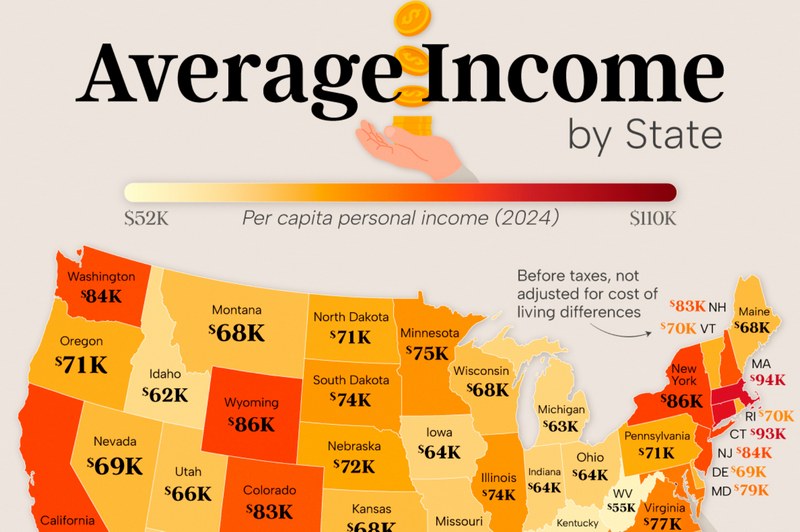
Average income in the United States reflects the typical income level of people living in the country over the course of one year. According to commonly referenced statistics, the U.S. average income per capita ranges from approximately 75,000 to 80,000 USD per year. When converted at a standard exchange rate, this figure is roughly equivalent to 1.8 to 2 billion VND per year.
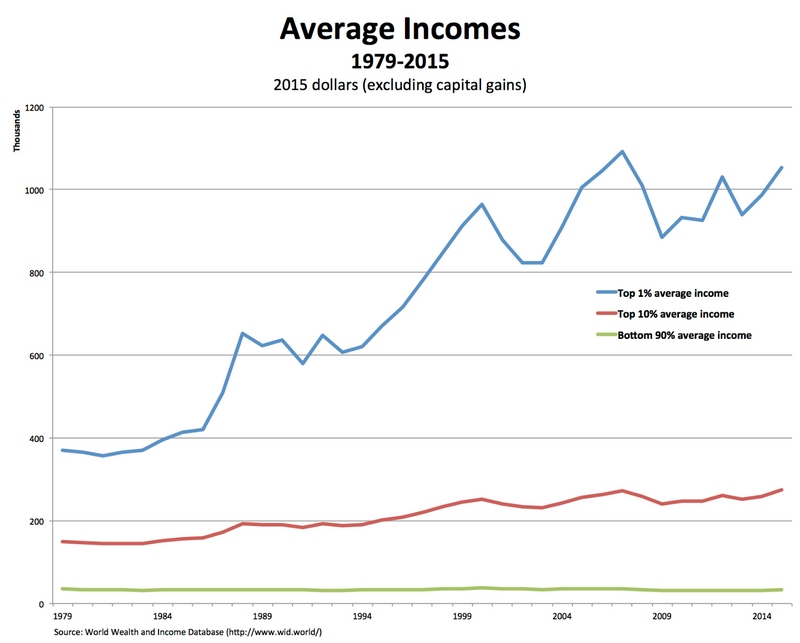
This average income is calculated across the entire population, including both high-income earners and low-income individuals. As a result, it represents a general overview and does not accurately reflect the actual income level of the majority of workers.
In addition to average income per capita, another commonly used indicator is median income. Median income is the income level at which half of the population earns more and the other half earns less.
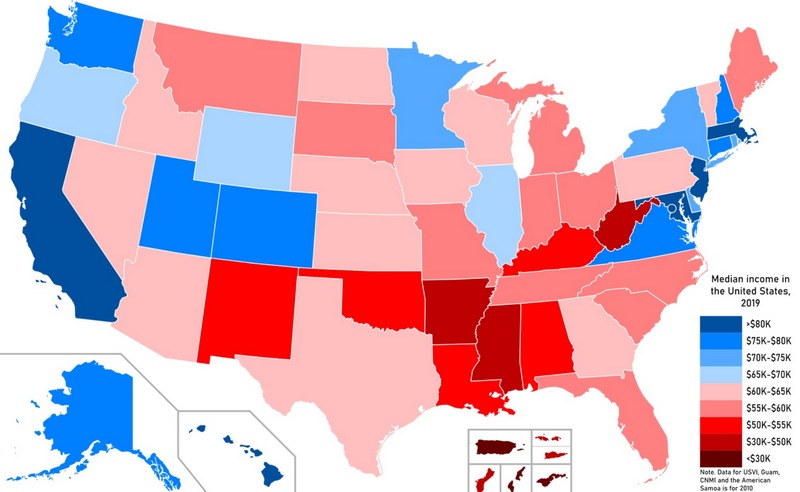
Currently, the median personal income in the United States is approximately 40,000 to 45,000 USD per year, while the median household income is around 70,000 to 75,000 USD annually. These figures are considered to better reflect the real living standards of most Americans.
With this level of income, a typical household can cover basic expenses such as housing, food, insurance, transportation, and still have a certain amount of savings, depending on the area in which they live.
When calculated on a monthly basis, the average per capita income in the United States is about 6,000 to 6,500 USD per month before taxes. After deducting federal taxes, state taxes, and mandatory insurance contributions, the take-home income is usually lower.
For workers earning around the median income level, actual take-home pay after taxes typically ranges from 3,000 to 4,000 USD per month, depending on the state and family situation. This is a common income range for the middle class in the United States.
Average income in the United States varies significantly across different industries. Fields that require high levels of education and specialized skills, such as information technology, software engineering, finance, and healthcare, often offer incomes well above the national average.
Meanwhile, entry-level or low-skilled jobs such as food service, retail, warehousing, and delivery tend to have lower incomes, typically ranging from 25,000 to 35,000 USD per year, or even less for part-time positions.
This disparity explains why, despite the high overall average income in the U.S., individual living standards can differ greatly from one person to another.
One important point when considering average income in the United States is to view it in relation to the cost of living. Housing, health insurance, and education are the three largest expenses and account for a significant portion of household income.
In high-cost areas, even with a relatively high income, the amount of money left for savings may be limited. Conversely, in regions with lower living costs, average incomes may be below the national average, yet residents can still enjoy a comfortable standard of living.
In summary, the average income in the United States currently ranges from approximately 75,000 to 80,000 USD per year, while median personal income is around 40,000 to 45,000 USD annually and median household income is about 70,000 to 75,000 USD per year. These figures serve as important reference points when assessing living standards in the United States.
Nevertheless, actual income levels depend heavily on occupation, location, and cost of living. A clear and accurate understanding of average income in the U.S. will help you form realistic expectations and make well-informed decisions regarding study, work, or long-term settlement plans.
Fill out the form and we will contact you