


Get free consultation
Fill out the form and we will contact you
In the context of increasingly globalized trade, the need to travel between countries to meet partners, sign contracts, or expand markets has become more common than ever. However, applying for a visa for each country can often be complicated and time-consuming. For this reason, the APEC card was introduced as a convenient solution for businesspeople who frequently travel within the Asia–Pacific region. So what is the APEC card, what is it used for, and who can obtain it? The article below will help you understand all the important information related to this special card.
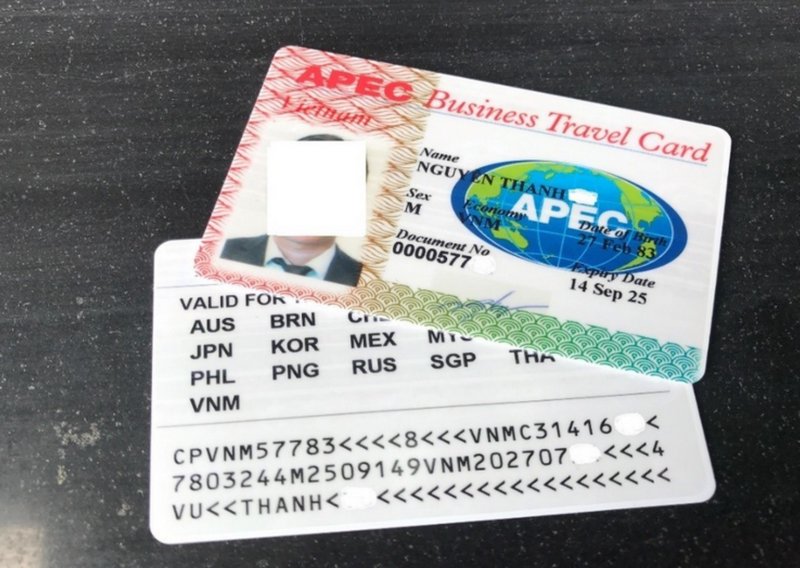
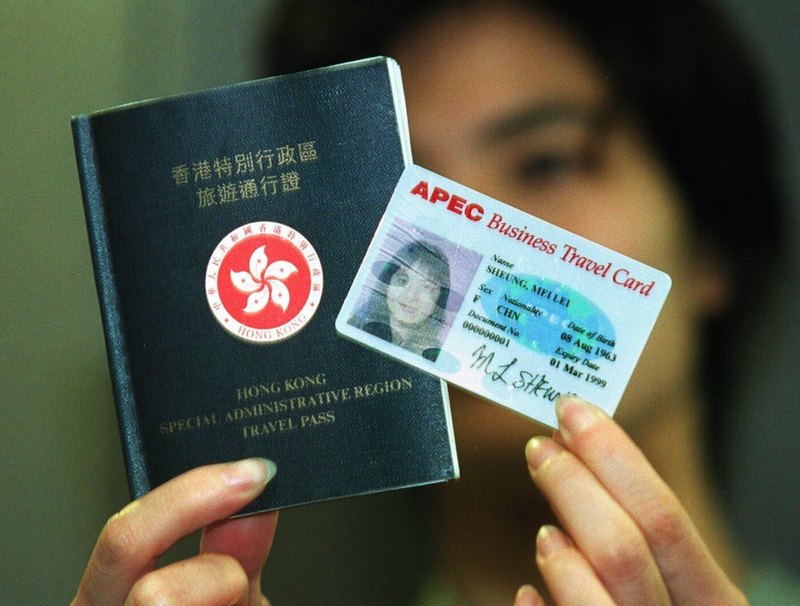
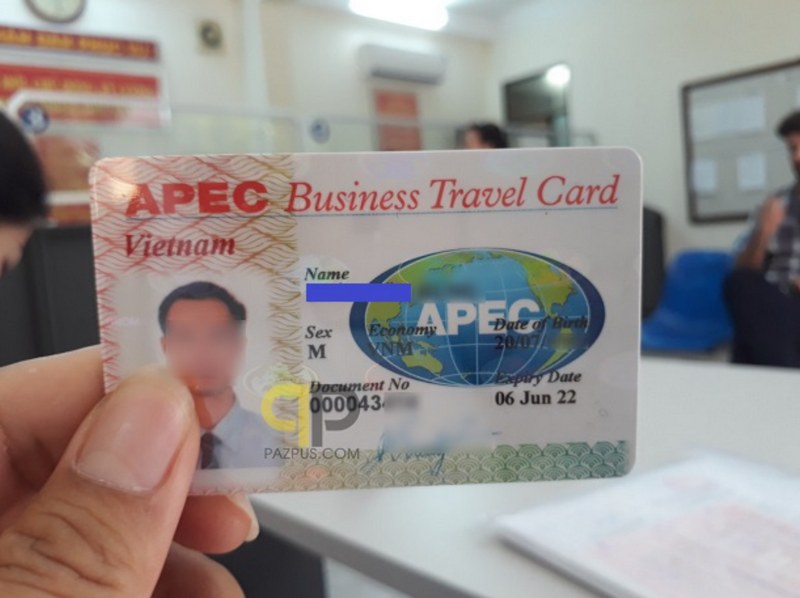
The APEC card, whose full name is APEC Business Travel Card (ABTC), is a card issued to businesspeople from member economies of the Asia-Pacific Economic Cooperation (APEC).
This card allows its holder to travel conveniently among participating APEC economies without having to apply for a separate visa for each trip. In other words, the APEC card can be considered a “multiple-entry business visa” within the APEC region.
The main objectives of the card are:
facilitating trade and investment activities
shortening immigration procedures
promoting economic cooperation among economies in the region
Thanks to these advantages, the APEC card has become an important tool for businesspeople working with international partners.
APEC is a regional economic cooperation forum established in 1989, consisting of 21 economies in the Asia–Pacific region.
Members of APEC include many major economies around the world such as:
Vietnam
Japan
South Korea
China
Singapore
Australia
New Zealand
Chile
Peru
The forum plays an important role in promoting free trade, economic development, and stronger cooperation among member economies. The APEC Business Travel Card program is one of the initiatives designed to help businesspeople travel more easily when conducting international business activities.
It is no coincidence that many businesspeople are interested in the APEC card. This type of card provides several practical benefits for its holders.
First of all, cardholders can enter many APEC economies without applying for separate visas. This helps save significant time and cost compared with applying for visas for each business trip.
In addition, many international airports provide priority immigration lanes specifically for APEC cardholders, which helps shorten the time required for entry and exit procedures. This is a major advantage for people who travel frequently for work.
The APEC card also allows multiple entries during the card’s validity period, providing flexibility for short business trips, conferences, seminars, or partner meetings.
The ABTC program currently includes 19 participating economies that grant visa-free entry to cardholders.
Some of the most common destinations for businesspeople using the APEC card include:
Japan
South Korea
Singapore
Malaysia
Thailand
Indonesia
Philippines
Australia
New Zealand
Economies such as United States and Canada do not fully waive visa requirements, but they still allow cardholders to use priority immigration lanes at airports.
Typically, the APEC card has a maximum validity of 5 years from the date of issuance. During this period, cardholders can enter participating economies multiple times.
Each economy has its own rules regarding the permitted length of stay, but it is commonly between 60 and 90 days per entry. This is usually sufficient for businesspeople to attend meetings, conferences, or work with partners.
The APEC card is not issued to everyone. It is primarily intended for businesspeople or officials involved in economic and trade activities with APEC economies.
Typical positions within companies that may qualify for the card include:
business owners
shareholders or capital contributors
directors or deputy directors
department heads or senior managers
In addition, some government officials participating in international economic cooperation activities may also be considered for the card.
In Vietnam, businesspeople who wish to apply for an APEC card must meet several basic requirements.
First, the applicant must be at least 18 years old, have full legal capacity, and not be subject to any travel restrictions. In addition, the applicant must have worked at the company for a certain period of time and hold a managerial or executive position.
The company where the applicant works must also operate legally, fulfill tax obligations, and maintain business relationships with partners in the APEC region. These requirements ensure that the card is issued to the appropriate individuals for legitimate business purposes.
The process of applying for an APEC card usually involves several stages of review. First, the applicant must prepare documents such as a valid passport, proof of position within the company, business registration certificates, and other relevant documents.
After the application is submitted to the authorities, the information will be sent to participating APEC economies for approval. Once sufficient approvals are obtained, the competent authority will issue the card.
In Vietnam, the management and issuance of the APEC card are handled by the Immigration Department under the Ministry of Public Security.
In summary, the APEC card provides significant advantages for businesspeople who frequently travel across the Asia–Pacific region. By reducing visa procedures and simplifying immigration processes, it helps professionals save time while expanding business opportunities and international partnerships. If you are interested in learning more about global mobility solutions, second citizenship options, or related procedures, you can explore additional insights at https://quoctichthuhai.com/ for more detailed and updated information.
Fill out the form and we will contact you